Here’s how this differs from TRT. TRT adds testosterone from outside the body, which can lower LH and FSH and shut down sperm production. Our fertility-preserving hormone optimization works the other way. Enclomiphene raises LH and FSH so your body makes more of its own testosterone, supported by DHEA, 7-Keto DHEA and progesterone, with anastrozole only when needed. A licensed physician in our partner medical network decides what fits after your $149 Vitality Test™.
How does testosterone affect male fertility and why can testosterone replacement therapy harm fertility?
Testosterone plays a complex role in male fertility. While adequate testosterone levels are essential for sperm production and sexual function, artificially supplementing testosterone through TRT can paradoxically harm fertility. This happens because external testosterone causes the body to shut down its natural production in the testicles, where high concentrations are needed for sperm production. When the pituitary gland detects high blood testosterone from supplements, it reduces the production of FSH and LH, which are crucial hormones for sperm production.
What hormones are most important for male fertility and how do they work together?
Three key hormones work in concert to maintain male fertility: FSH, LH, and testosterone. FSH stimulates sperm production and maturation in the testicles, while LH triggers the production of testosterone by testicular cells. Testosterone then works alongside FSH to support sperm production and maintains sexual function, including libido and erectile function. This delicate hormonal balance is controlled by the pituitary gland, and a deficiency in any of these hormones can significantly impact both fertility and sexual performance.
How does Enclomiphene affect sperm count?
In addition to increasing testosterone levels, enclomiphene has also been shown to increase sperm count. In one 2013 study, enclomiphene citrate elevated sperm counts in 100% of men at three months and the six-month mark. And in a three-month study comparing enclomiphene citrate to topical testosterone, researchers also found that while both treatments increased testosterone, those taking topical testosterone experienced a significant decline in sperm concentration. This decline caused more than half (54%) of men in the study to become oligospermic (low sperm count). Individual results vary.
What states is Vitality Rx available in?
The at-home test kit is available in all 50 U.S. states. The prescription Reboot Program is available in select states only. See which states the Reboot Program is available in.
Does the At-Home test kit provide valid lab work?
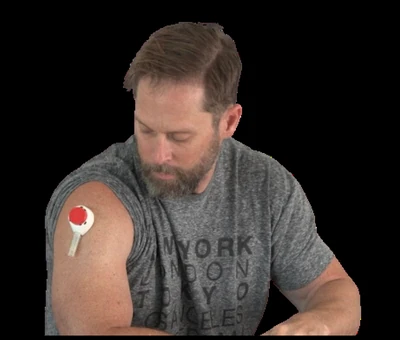
Yes. Our test kit uses the FDA-cleared Tasso device for a virtually painless upper-arm collection, and your sample is analyzed at a CLIA-certified lab.
Do you take insurance?
No, we do not accept insurance, but we do accept HSA/FSA cards.
How much does it cost to get started?
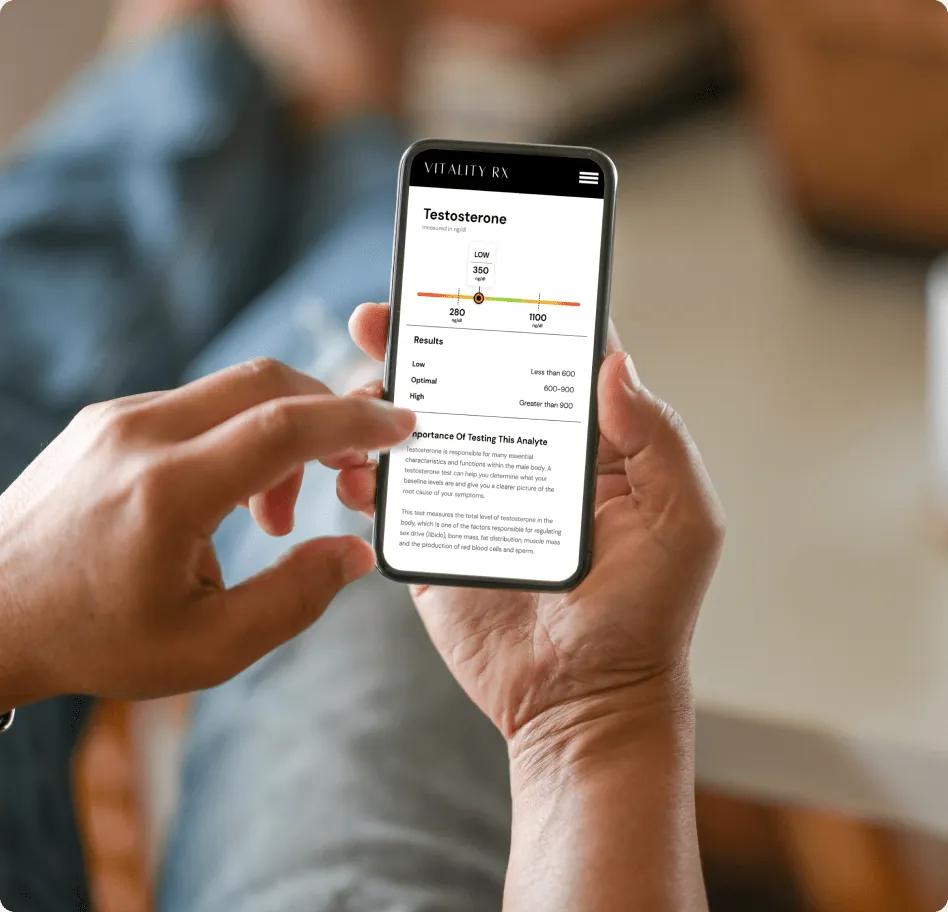
The Vitality Test is $149 and includes an at-home hormone test kit for 6 biomarkers and a telemedicine consult to review your results, with no further obligation. The Reboot Program is optional, starts at $199/month, and is only recommended if a clinical need is established by a licensed physician in our partner medical network.






 @bucko.health
 @van.aldo
 @iamellis
 @alaue1
 @o.health